Singapore funeral etiquette: bai jin, what to write and what to say
Going to a Chinese wake in Singapore for the first time, or for someone you don't know well, can feel daunting. This guide explains how much bai jin to give, how to give it, what to write on a card or wreath, what to say to the family, and the customs to keep in mind.
Bai jin: the condolence money
Bai jin is money given to the bereaved family to help with funeral costs. It is properly written 帛金 ("silk money", from the days when silk was given), though in Singapore it is often heard and written as 白金, because it is given in a white envelope.
How much to give
There is no fixed amount. What matters is your relationship with the person who passed away or with their family. As a rough guide:
| Your relationship | A common amount |
|---|---|
| Acquaintance, distant colleague or neighbour | $30 to $50 |
| Friend or regular colleague | $50 to $100 |
| Close friend or business associate | $100 to $300 |
| Relative (extended family) | $100 to $500 or more |
| Students / Financially constrained | $10 to $30 (always acceptable) |
- Odd-ending amounts. Many families give an amount that ends in an odd number, such as $31, $51 or $101, because even amounts are associated with happy occasions such as weddings. Others simply give round amounts like $50. Either is fine.
- Avoid amounts with a 4 in them, as 四 sounds like 死 (death).
- Colleagues often give together. A team collection with one envelope from the office is common and perfectly appropriate.
How to give it
- Use a plain white envelope, never a red one. Red is for celebrations.
- Use used notes rather than crisp new ones. New notes are for weddings and Chinese New Year, and can suggest the death was something you prepared for.
- Write your name on the back of the envelope, or on a small note inside, so the family knows who it is from.
- Hand it in at the registration table near the entrance of the wake. A family member or friend will record your name in the condolence book. You don't need to hand it to the immediate family yourself.
- PayNow is increasingly common. Many wakes now display a QR code at the table. Include your name in the reference so the family can thank you.
What to write
In the condolence book
Sign your name clearly, and add your company or how you knew the family if they may not recognise your name.
On a card or wreath
In English, a short, sincere message is best: "With deepest sympathy", "Our heartfelt condolences to the family" or "In loving memory". Common Chinese phrases include:
| Phrase | Meaning | When to use |
|---|---|---|
| 沉痛哀悼 | Deepest condolences | Any wake |
| 深切怀念 | Remembered with deep fondness | Any wake |
| 音容宛在 | Their voice and face remain with us | Any wake |
| 驾鹤西归 | Departed westward on a crane | For an elder, at a Taoist or traditional wake |
| 往生净土 | Reborn in the Pure Land | At a Buddhist wake |
| 安息主怀 | Resting in the Lord's embrace | At a Christian wake |
Wreaths and flower stands usually carry a ribbon with the phrase on one side and your name (or your company's) on the other. Florists in Singapore know these conventions and will help you choose.
What to say
- Keep it simple. "I'm so sorry for your loss" is enough. In Chinese, 节哀顺变 ("restrain your grief and take care") is the customary phrase to the family.
- Share a memory if you have one. Families are often comforted to hear how their loved one touched other people.
- Offer practical help if you are close: food, errands or help at the wake are often appreciated more than words.
- Avoid asking how the person died, comparing losses, or phrases like "it was their time", which can hurt even when meant kindly.
Customs at the wake
- What to wear: subdued colours such as white, black, grey or dark blue. Avoid red and bright, festive colours.
- Paying respects: on arrival, you may be invited to offer incense at the altar and bow three times before the portrait. If you are not comfortable doing so, a respectful bow on its own is fine. Families of other faiths may simply invite you to stand quietly for a moment.
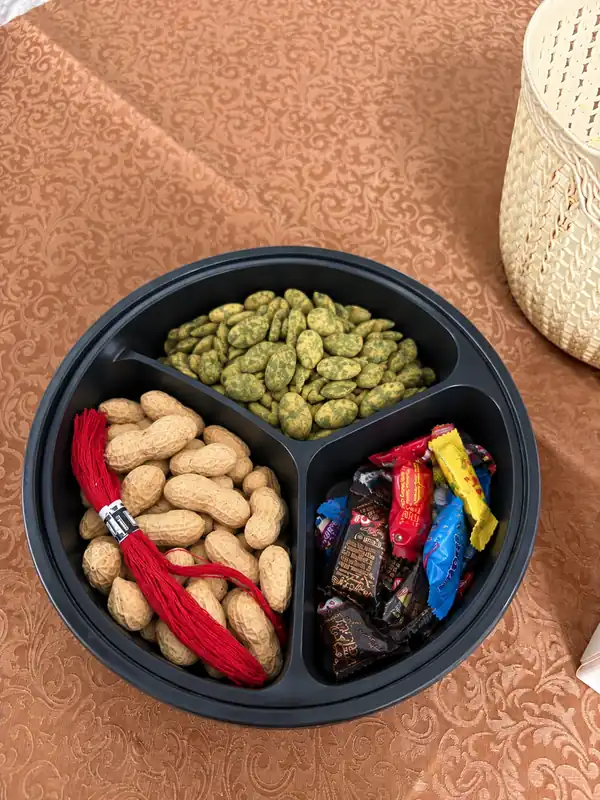
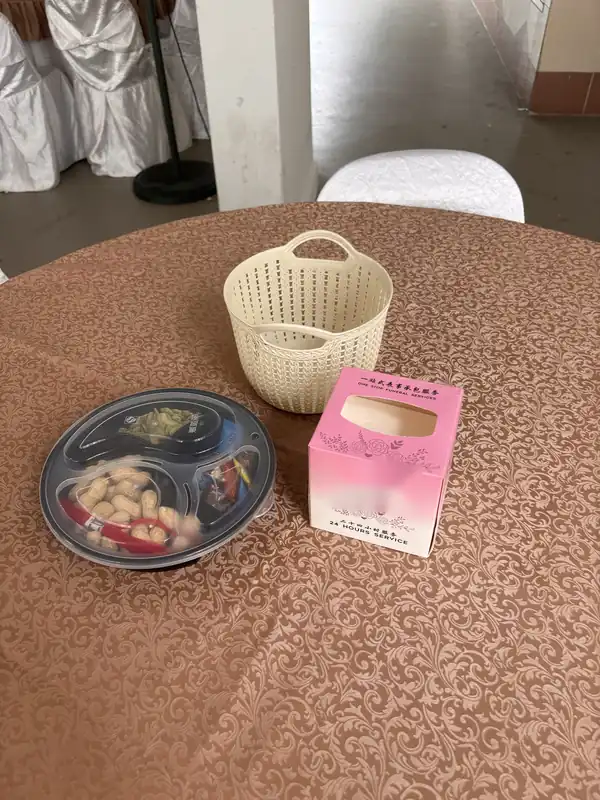
- Staying a while: it is customary to sit for a time, often with drinks offered by the family. Tables are usually set with a tray of peanuts, sweets and red threads. You may tie a red thread around your finger to ward off bad luck. Your company is part of the comfort.
- Photographs: don't photograph the deceased or the altar without the family's permission.
- Leaving: don't say "goodbye" or 再见 ("see you again") to the family; simply leave quietly, or say "take care". Some families give visitors a red thread or a sweet as they leave, to carry away bad luck.
- Nothing goes home: by tradition, nothing from the wake should be brought into your house. Eat the sweets there or throw them away, and discard the red thread before you reach home.
If you cannot attend
You can still show your support:
- send a wreath or flower stand through a florist, with a ribbon message;
- give bai jin through a friend who is attending, or by PayNow if the family has shared their details;
- send a personal message to the family, and follow up in the weeks after the funeral, when visitors have gone and grief is often hardest.
Quick answers
How much bai jin should I give at a wake in Singapore?
There is no fixed amount; it depends on your relationship. As a rough guide: $30 to $50 for an acquaintance or neighbour, $50 to $100 for a friend or colleague, $100 to $300 for a close friend, and $100 to $500 or more for a relative. Students may give $10 to $30.
Should bai jin be an odd number?
Many families give an amount ending in an odd number, such as $31, $51 or $101, because even amounts are linked with happy occasions. Round amounts like $50 are also fine. Avoid amounts with a 4 in them, as 四 sounds like 死.
How do I give bai jin?
Put used notes in a plain white envelope (never red), write your name on the back, and hand it in at the registration table near the entrance of the wake. Many wakes now also accept PayNow; include your name in the reference.
What should I write on a funeral wreath or condolence card?
In English, a short message such as "With deepest sympathy" or "In loving memory". Common Chinese phrases are 沉痛哀悼 and 深切怀念 for any wake, 往生净土 at a Buddhist wake, and 安息主怀 at a Christian wake.
What should I say to the family, and what should I avoid?
"I'm so sorry for your loss" is enough; in Chinese, 节哀顺变. Avoid asking how the person died or saying "it was their time", and when leaving, don't say goodbye or 再见 to the family.
What should I wear to a Chinese wake?
Subdued colours such as white, black, grey or dark blue. Avoid red and bright, festive colours.
Remembering beyond the wake
At Nirvana Hall you can create a memorial page for the person who has passed away, share it with family and friends anywhere, leave messages of remembrance, and send offerings on the 7th day, the 49th day, Qingming and every anniversary after.
Visit Nirvana HallAlso read: The days after a death: 头七, 七七, 百日 and 对年 · How to write a Qingming parcel (包袱) seal
新加坡丧礼礼仪:帛金、挽词与慰问
第一次到新加坡的华人灵堂吊唁,或是去悼念一位不太熟悉的人,难免会有些不知所措。本指南介绍帛金送多少、怎么送,卡片和花圈上写什么,对家属说什么,以及需要留意的习俗。
帛金:吊唁的心意
帛金是送给丧家、帮忙分担丧葬费用的钱。正确写法是“帛金”(古时以丝帛相赠,故名),不过在新加坡常听到、也常写作“白金”,因为它装在白色信封里。
送多少
帛金没有固定数额,关键在于您与亡者或其家人的关系。大致可参考:
| 您的关系 | 常见数额 |
|---|---|
| 点头之交、不常来往的同事或邻居 | 30至50元 |
| 朋友或一般同事 | 50至100元 |
| 好友或生意伙伴 | 100至300元 |
| 亲戚(大家族) | 100至500元或以上 |
| 学生或经济不宽裕者 | 10至30元(心意最重要) |
- 尾数为单数。许多人会送尾数为单数的金额,例如31元、51元或101元,因为双数多用于婚礼等喜事。也有人直接送50元这样的整数,两者都可以。
- 避开带“4”的数额,因为“四”与“死”谐音。
- 同事常一起送。公司同事集资、以一个信封送出,十分常见,也很得体。
怎么送
- 用素白信封,切勿用红包。红色是喜庆的颜色。
- 用旧钞,不用崭新的钞票。新钞用于婚礼和农历新年,用在丧事上,会让人觉得您早有准备。
- 写上名字,写在信封背面或里面的小纸条上,让丧家知道是谁送的。
- 交给入口处的登记桌。家属或亲友会把您的名字记在吊唁簿上,不必亲手交给直系家属。
- PayNow越来越普遍。许多灵堂会在登记桌摆放二维码。转账时请在备注写上名字,方便丧家致谢。
写什么
吊唁簿
清楚签上名字;如果家属可能不认得您的名字,请写上公司名称,或注明您与他们的关系。
卡片或花圈
英文以简短真挚为好,例如 “With deepest sympathy”、“Our heartfelt condolences to the family” 或 “In loving memory”。常用的中文挽词有:
| 挽词 | 意思 | 适用场合 |
|---|---|---|
| 沉痛哀悼 | 表达最深的哀悼 | 任何丧礼 |
| 深切怀念 | 怀着深厚的感情追念 | 任何丧礼 |
| 音容宛在 | 亲人的声音与容貌犹在眼前 | 任何丧礼 |
| 驾鹤西归 | 乘鹤西去 | 悼念长辈,道教或传统丧礼 |
| 往生净土 | 往生西方净土 | 佛教丧礼 |
| 安息主怀 | 安息在主的怀里 | 基督教丧礼 |
花圈和花篮通常系着缎带,一边写挽词,另一边写您(或公司)的名字。新加坡的花店熟悉这些惯例,会协助您挑选。
说什么
- 简单就好。说一句“节哀顺变”就足够了,这是对丧家最常用的慰问语。
- 分享一段回忆,如果您有的话。听到亲人曾经怎样感动过别人,家属往往会得到安慰。
- 提供实际的帮忙,如果您与丧家亲近:送饭、跑腿或在灵堂帮忙,往往比言语更受感激。
- 避免询问亡者的死因、拿别人的丧亲之痛作比较,或说“时候到了”之类的话。即使出于好意,也可能让人难过。
灵堂习俗
- 衣着:穿素色衣服,例如白色、黑色、灰色或深蓝色,避免红色和鲜艳喜庆的颜色。
- 致哀:到达后,家属可能会请您在灵前上香,对着遗照鞠躬三次。如果您不习惯上香,恭敬地鞠躬也可以。其他宗教的丧家,可能只请您静立片刻致意。
- 坐一会儿:按习俗,吊唁者会坐上一段时间,家属通常会奉上饮料。桌上一般摆着一盘花生、糖果和红线。您可以把红线绕在手指上,以避邪气。您的陪伴,本身就是一种安慰。
- 拍照:未经家属同意,不要拍摄亡者或灵堂。
- 离开:不要对家属说“再见”,静静离开即可,或说一声“保重”。有些丧家会在吊唁者离开时送上红线或糖果,把晦气带走。
- 东西不带回家:按传统,灵堂里的东西都不应带进家门。糖果在灵堂吃掉或丢弃,红线也要在到家前扔掉。
如果无法出席
您仍然可以表达心意:
- 通过花店送花圈或花篮,并在缎带上写上挽词;
- 请出席的朋友代交帛金;如果家属提供了PayNow资料,也可以转账;
- 给家属发一段亲笔的慰问,并在丧礼后的几个星期里再关心他们。那时宾客都已散去,往往是最难熬的时候。
常见问题
在新加坡守灵应该送多少帛金?
没有固定数额,视关系而定。大致参考:点头之交或邻居30至50元,朋友或同事50至100元,好友100至300元,亲戚100至500元或以上。学生可送10至30元。
帛金要送单数吗?
许多人送单数结尾的数额,如31、51或101元,因为双数与喜事相关;送50元这样的整数也可以。避免带“4”的数额,因“四”与“死”谐音。
帛金怎么给?
用白色信封(切勿用红色)装旧钞,在信封背面写上名字,交给灵堂入口附近的登记处即可。现在许多丧礼也接受PayNow,请在备注写上名字。
花圈或慰问卡上写什么?
中文常用“沉痛哀悼”“深切怀念”,适用于任何丧礼;佛教丧礼可写“往生净土”,基督教丧礼可写“安息主怀”。英文可写“With deepest sympathy”或“In loving memory”。
对家属说什么?要避免说什么?
一句“节哀顺变”就足够。避免询问死因或说“时候到了”之类的话;离开时不要对家属说“再见”。
出席华人丧礼穿什么?
穿素色衣服,如白、黑、灰或深蓝色。避免红色及鲜艳喜庆的颜色。
延伸阅读:离世之后的日子:头七、七七、百日与对年 · 清明包袱封条怎么写
新加坡喪禮禮儀:帛金、輓詞與慰問
第一次到新加坡的華人靈堂弔唁,或是去悼念一位不太熟悉的人,難免會有些不知所措。本指南介紹帛金送多少、怎樣送,卡片和花圈上寫甚麼,對家屬説甚麼,以及需要留意的習俗。
帛金:弔唁的心意
帛金是送給喪家、幫忙分擔喪葬費用的錢。正確寫法是「帛金」(古時以絲帛相贈,故名),不過在新加坡常聽到、也常寫作「白金」,因為它裝在白色信封裏。
送多少
帛金沒有固定數額,關鍵在於你與亡者或其家人的關係。大致可參考:
| 你的關係 | 常見數額 |
|---|---|
| 點頭之交、不常來往的同事或鄰居 | 30至50元 |
| 朋友或一般同事 | 50至100元 |
| 好友或生意夥伴 | 100至300元 |
| 親戚(大家族) | 100至500元或以上 |
| 學生或經濟不寬裕者 | 10至30元(心意最重要) |
- 尾數為單數。許多人會送尾數為單數的金額,例如31元、51元或101元,因為雙數多用於婚禮等喜事。也有人直接送50元這樣的整數,兩者都可以。
- 避開帶「4」的數額,因為「四」與「死」諧音。
- 同事常一起送。公司同事集資、以一個信封送出,十分常見,也很得體。
怎樣送
- 用素白信封,切勿用紅包。紅色是喜慶的顏色。
- 用舊鈔,不用嶄新的鈔票。新鈔用於婚禮和農曆新年,用在喪事上,會讓人覺得你早有準備。
- 寫上名字,寫在信封背面或裏面的小紙條上,讓喪家知道是誰送的。
- 交給入口處的登記桌。家屬或親友會把你的名字記在弔唁簿上,不必親手交給直系家屬。
- PayNow越來越普遍。許多靈堂會在登記桌擺放二維碼。轉賬時請在備註寫上名字,方便喪家致謝。
寫甚麼
弔唁簿
清楚簽上名字;如果家屬可能不認得你的名字,請寫上公司名稱,或註明你與他們的關係。
卡片或花圈
英文以簡短真摯為好,例如 「With deepest sympathy」、「Our heartfelt condolences to the family」 或 「In loving memory」。常用的中文輓詞有:
| 輓詞 | 意思 | 適用場合 |
|---|---|---|
| 沉痛哀悼 | 表達最深的哀悼 | 任何喪禮 |
| 深切懷念 | 懷着深厚的感情追念 | 任何喪禮 |
| 音容宛在 | 親人的聲音與容貌猶在眼前 | 任何喪禮 |
| 駕鶴西歸 | 乘鶴西去 | 悼念長輩,道教或傳統喪禮 |
| 往生淨土 | 往生西方淨土 | 佛教喪禮 |
| 安息主懷 | 安息在主的懷裏 | 基督教喪禮 |
花圈和花籃通常繫着緞帶,一邊寫輓詞,另一邊寫你(或公司)的名字。新加坡的花店熟悉這些慣例,會協助你挑選。
説甚麼
- 簡單就好。説一句「節哀順變」就足夠了,這是對喪家最常用的慰問語。
- 分享一段回憶,如果你有的話。聽到親人曾經怎樣感動過別人,家屬往往會得到安慰。
- 提供實際的幫忙,如果你與喪家親近:送飯、跑腿或在靈堂幫忙,往往比言語更受感激。
- 避免詢問亡者的死因、拿別人的喪親之痛作比較,或説「時候到了」之類的話。即使出於好意,也可能讓人難過。
靈堂習俗
- 衣着:穿素色衣服,例如白色、黑色、灰色或深藍色,避免紅色和鮮豔喜慶的顏色。
- 致哀:到達後,家屬可能會請你在靈前上香,對着遺照鞠躬三次。如果你不習慣上香,恭敬地鞠躬也可以。其他宗教的喪家,可能只請你靜立片刻致意。
- 坐一會兒:按習俗,弔唁者會坐上一段時間,家屬通常會奉上飲料。桌上一般擺着一盤花生、糖果和紅線。你可以把紅線繞在手指上,以避邪氣。你的陪伴,本身就是一種安慰。
- 拍照:未經家屬同意,不要拍攝亡者或靈堂。
- 離開:不要對家屬説「再見」,靜靜離開即可,或説一聲「保重」。有些喪家會在弔唁者離開時送上紅線或糖果,把晦氣帶走。
- 東西不帶回家:按傳統,靈堂裏的東西都不應帶進家門。糖果在靈堂吃掉或丟棄,紅線也要在到家前扔掉。
如果無法出席
你仍然可以表達心意:
- 通過花店送花圈或花籃,並在緞帶上寫上輓詞;
- 請出席的朋友代交帛金;如果家屬提供了PayNow資料,也可以轉賬;
- 給家屬發一段親筆的慰問,並在喪禮後的幾個星期裏再關心他們。那時賓客都已散去,往往是最難熬的時候。
常見問題
在新加坡守靈應該送多少帛金?
沒有固定數額,視關係而定。大致參考:點頭之交或鄰居30至50元,朋友或同事50至100元,好友100至300元,親戚100至500元或以上。學生可送10至30元。
帛金要送單數嗎?
許多人送單數結尾的數額,如31、51或101元,因為雙數與喜事相關;送50元這樣的整數也可以。避免帶「4」的數額,因「四」與「死」諧音。
帛金怎樣給?
用白色信封(切勿用紅色)裝舊鈔,在信封背面寫上名字,交給靈堂入口附近的登記處即可。現在許多喪禮也接受PayNow,請在備註寫上名字。
花圈或慰問卡上寫甚麼?
中文常用「沉痛哀悼」「深切懷念」,適用於任何喪禮;佛教喪禮可寫「往生淨土」,基督教喪禮可寫「安息主懷」。英文可寫「With deepest sympathy」或「In loving memory」。
對家屬説甚麼?要避免説甚麼?
一句「節哀順變」就足夠。避免詢問死因或説「時候到了」之類的話;離開時不要對家屬説「再見」。
出席華人喪禮穿甚麼?
穿素色衣服,如白、黑、灰或深藍色。避免紅色及鮮豔喜慶的顏色。
延伸閲讀:離世之後的日子:頭七、七七、百日與對年 · 清明包袱封條怎樣寫