The 7th, 49th and 100th day after a death: 头七, 七七, 百日 and 对年
In Chinese tradition, the first year after a loved one passes is marked by a series of milestones: the seventh day, every seventh day until the 49th, the 100th day, and the first anniversary. This guide explains what each one means, how the days are counted, and what families do.
Why these days matter
The calendar comes from a blend of Buddhist and folk belief. In Buddhism, the 49 days after death are an in-between state (中阴) before the next life, and the prayers and offerings the family makes during this time are believed to ease the journey and earn merit for the person who has died.
Chinese folk religion added the Ten Kings of the underworld (十殿阎王), each of whom judges the soul at a set time: once every seven days for the first 49 days, then on the 100th day, the first anniversary and the third anniversary. Ten judgements give the family ten occasions to help their loved one along.
The milestones at a glance
- Day 7头七The spirit returns home one last time
- Days 14 to 42二七 – 六七Weekly prayers
- Day 49七七The end of the in-between period
- Day 100百日The end of the period of weeping
- First lunar anniversary对年The first year of remembrance
- Third anniversary三年The end of formal mourning
Each milestone
The seventh day 头七
The most widely observed milestone. Families believe the spirit returns home on the seventh night (回魂) to see the family one last time before continuing its journey. Common customs include:
- preparing a meal of the person's favourite food and setting it out at the altar or their place at the table;
- leaving a light on, and the door unlocked, so the spirit can find its way home;
- family members staying in their rooms or going to bed early, so the visit is not disturbed.
The weekly prayers 二七 to 六七
Traditionally a ritual is held every seventh day: on the 14th, 21st, 28th, 35th and 42nd days. In some families, different relatives take responsibility for particular weeks. Today many families in Singapore hold only some of these, or arrange condensed prayers at a temple.
The 49th day 七七, also called 满七
The end of the in-between period. It is often marked with larger prayers led by monks or Taoist priests, and offerings to see the person on to their next life. After the 49th day, the most intense period of mourning eases.
The 100th day 百日
Traditionally the end of the period of weeping (卒哭). Families make offerings and prayers at home or at the temple. Many families stop wearing the mourning pin on the sleeve (戴孝) at either 49 or 100 days.
The first anniversary 对年
The first anniversary is held by the lunar calendar, on the lunar date of passing, and is one of the most important remembrances. Some dialect groups hold it a little early, and a leap month in the lunar year changes the count, so families often ask their temple to confirm the date.
The third anniversary 三年
Traditionally the end of formal mourning. In many Hokkien and Teochew families, this is when the person's tablet is joined with the family's ancestral tablet (合炉). From then on, they are remembered together with the ancestors, and their death anniversary (忌日) is observed each year.
How the days are counted
- Most families count the day of passing as the first day, so the seventh day (头七) falls six days after the day of passing. Some families count differently, or observe it on the sixth night.
- The 49th and 100th days are counted the same way, in ordinary days.
- Anniversaries follow the lunar calendar, so their date on the Western calendar changes from year to year.
- When in doubt, ask your temple or funeral director. They will give you the dates as your family's tradition counts them.
During the mourning period
In the first year, families in mourning often step back from celebrations as a mark of respect:
- avoiding weddings and other joyful events, and wearing red;
- not visiting others at Chinese New Year, and putting up no red decorations at home;
- wearing the mourning pin for the first 49 or 100 days.
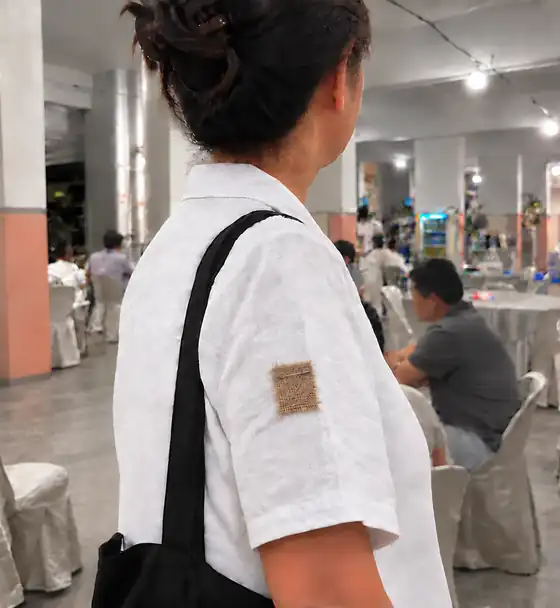
In Singapore, the mourning pin is a small square of cloth fastened to the sleeve with a safety pin. White, black and blue are common; earthy or muted shades such as brown, and burlap textures, are rooted in the traditional deep-mourning garments. The patch is pinned to the left sleeve if the person who died was male, and to the right sleeve if the person was female.
How strictly these are kept varies a great deal between families. Many now follow some and not others.
Quick answers
When is 头七, the seventh day after a death?
Most families count the day of passing as the first day, so 头七 falls six days after the day of passing. Some families count differently or observe it on the sixth night, so check with your temple or funeral director.
What do families do on 头七?
Families believe the spirit returns home on the seventh night (回魂) to see the family one last time. Common customs are setting out a meal of the person's favourite food, leaving a light on and the door unlocked, and family members staying in their rooms or going to bed early.
What is 七七, the 49th day?
The 49th day (七七, also called 满七) marks the end of the in-between period (中阴) before the next life in Buddhist belief. It is counted in ordinary days like 头七, and is often marked with larger prayers led by monks or Taoist priests. After it, the most intense period of mourning eases.
When are 百日 (100 days after a death) and 对年?
百日 is the 100th day, counted in ordinary days, and traditionally ends the period of weeping. 对年, the first anniversary, follows the lunar calendar and falls on the lunar date of passing; some dialect groups hold it a little early, and a leap month changes the count.
How long does mourning last in Chinese tradition?
Formal mourning traditionally ends at the third anniversary (三年). In the first year, families often avoid weddings, wearing red and Chinese New Year visiting, and many wear the mourning pin (戴孝) for the first 49 or 100 days.
Remembering from wherever you are
Not every family member can be home for each milestone. At Nirvana Hall you can create a memorial page for your loved one, share it with the whole family, and send offerings on any day, each burned as a permanent record and shown on the memorial page with the sender's name.
Visit Nirvana HallAlso read: How to write a Qingming parcel (包袱) seal
离世之后的日子:头七、七七、百日与对年
按照华人传统,亲人离世后的第一年里有一连串重要的日子:头七、此后每七天一次直到七七、百日,以及对年。本指南介绍每个日子的意义、日子怎么算,以及家人在这些日子里通常做些什么。
这些日子为什么重要
这套日子的算法融合了佛教与民间信仰。佛教认为,人离世后的四十九天处于“中阴”阶段,尚未投生;家人在这段时间里的诵经与供奉,相信能让亡者走得平顺,也为其积累功德。
民间信仰又加入了“十殿阎王”之说:亡魂在固定的时候接受审判,头四十九天每七天一次,之后是百日、对年和三年。十次审判,也就是家人十次为亲人尽心的机会。
重要日子一览
- 第七天头七亡魂最后一次回家
- 第十四至四十二天二七 – 六七每周一次的诵经祭拜
- 第四十九天七七中阴阶段结束
- 第一百天百日哭泣的日子告一段落
- 农历一周年对年追思的第一年
- 三周年三年正式守孝期结束
每个日子的习俗
头七
最多家庭遵守的日子。相传亡魂会在第七晚回家(“回魂”),最后看一眼家人,然后继续上路。常见的习俗包括:
- 准备亲人生前爱吃的饭菜,摆在灵前或他们在饭桌上的位置;
- 留一盏灯、不锁门,让亡魂找得到回家的路;
- 家人留在房里或早早就寝,以免打扰亲人归来。
每周的祭拜:二七至六七
传统上每七天举行一次仪式,即第十四、二十一、二十八、三十五和四十二天。有些家庭由不同的亲属分别负责某一周。如今新加坡许多家庭只做其中几次,或在寺庙安排合并的法会。
七七,又称“满七”
中阴阶段的结束。家人通常会请僧人或道士主持较隆重的法会,并献上供品,送亲人往生。七七过后,最沉重的哀悼期渐渐缓和。
百日
传统上是“卒哭”,即哭泣的日子告一段落。家人在家中或寺庙供奉祭拜。许多家庭在七七或百日时,取下袖上的孝布(“戴孝”)。
对年
对年按农历计算,在离世的农历日子举行,是最重要的追思日之一。有些籍贯会稍微提前举行,而农历闰月也会影响算法,所以家人常请寺庙帮忙确认日期。
三年
传统上是正式守孝期的结束。许多福建和潮州家庭会在这时把亲人的神主牌与祖先牌位合在一起(“合炉”)。从此亲人与祖先一同受供奉,每年的忌日也会依时祭拜。
日子怎么算
- 大多数家庭把离世当天算作第一天,所以头七落在离世当天之后的第六天。也有家庭算法不同,或在第六晚做头七。
- 七七和百日也用同样的方法,按普通日子计算。
- 周年按农历计算,所以每年在公历上的日子都不一样。
- 如有疑问,请问寺庙或殡葬业者。他们会按照您家族的传统,为您算出日期。
守孝期间
在第一年里,守孝的家庭往往会暂时避开喜庆场合,以示尊重:
- 不出席婚礼等喜事,也不穿红色衣服;
- 农历新年不去拜年,家中也不贴红色装饰;
- 在头四十九天或一百天里佩戴孝布。
在新加坡,孝布是用别针别在衣袖上的一小块布。常见的颜色有白、黑和蓝;棕色等朴素的大地色和麻布质感,则源自传统的重孝丧服。逝者是男性,孝布别在左袖;逝者是女性,则别在右袖,即“男左女右”。
这些习俗遵守得多严格,各家差别很大。如今许多家庭只保留其中一部分。
常见问题
头七是哪一天?
多数家庭把离世当天算作第一天,所以头七是离世后的第六天。有些家庭算法不同,或在第六晚举行,请向寺庙或殡葬业者确认。
头七要做什么?
民间相信亡灵会在第七晚回家(回魂),最后一次探望家人。常见习俗包括准备逝者生前爱吃的饭菜、留一盏灯并不锁门,以及家人留在房内或早些就寝。
七七(第四十九天)是什么?
七七又称满七,在佛教信仰中标志着中阴期结束、往生来世。它和头七一样按日子计算,通常由僧人或道士主持较隆重的法事。七七过后,最沉重的守丧期便告一段落。
百日和对年是什么时候?
百日是第一百天,按日子计算,传统上标志“卒哭”结束。对年即一周年,按农历计算,在农历忌日举行;有些籍贯会提前举行,遇闰月时算法也会改变。
华人传统守丧多久?
传统上正式守丧至三年为止。第一年里,家人通常避免出席婚礼、穿红色衣服和农历新年拜年;许多人在头四十九天或一百天内佩戴孝布(戴孝)。
无论身在何方,都能追思
不是每位家人都能在每个重要日子回到家里。在涅槃追思堂,您可以为亲人建立纪念页,与全家人分享,并在任何一天敬献供品。每份供品都会被焚化,成为永久的记录,并连同敬献者的名字显示在纪念页上。
进入涅槃追思堂延伸阅读:清明包袱封条怎么写
離世之後的日子:頭七、七七、百日與對年
按照華人傳統,親人離世後的第一年裏有一連串重要的日子:頭七、此後每七天一次直到七七、百日,以及對年。本指南介紹每個日子的意義、日子怎樣算,以及家人在這些日子裏通常做些甚麼。
這些日子為甚麼重要
這套日子的算法融合了佛教與民間信仰。佛教認為,人離世後的四十九天處於「中陰」階段,尚未投生;家人在這段時間裏的誦經與供奉,相信能讓亡者走得平順,也為其積累功德。
民間信仰又加入了「十殿閻王」之説:亡魂在固定的時候接受審判,頭四十九天每七天一次,之後是百日、對年和三年。十次審判,也就是家人十次為親人盡心的機會。
重要日子一覽
- 第七天頭七亡魂最後一次回家
- 第十四至四十二天二七 – 六七每週一次的誦經祭拜
- 第四十九天七七中陰階段結束
- 第一百天百日哭泣的日子告一段落
- 農曆一週年對年追思的第一年
- 三週年三年正式守孝期結束
每個日子的習俗
頭七
最多家庭遵守的日子。相傳亡魂會在第七晚回家(「回魂」),最後看一眼家人,然後繼續上路。常見的習俗包括:
- 準備親人生前愛吃的飯菜,擺在靈前或他們在飯桌上的位置;
- 留一盞燈、不鎖門,讓亡魂找得到回家的路;
- 家人留在房裏或早早就寢,以免打擾親人歸來。
每週的祭拜:二七至六七
傳統上每七天舉行一次儀式,即第十四、二十一、二十八、三十五和四十二天。有些家庭由不同的親屬分別負責某一週。如今新加坡許多家庭只做其中幾次,或在寺廟安排合併的法會。
七七,又稱「滿七」
中陰階段的結束。家人通常會請僧人或道士主持較隆重的法會,並獻上供品,送親人往生。七七過後,最沉重的哀悼期漸漸緩和。
百日
傳統上是「卒哭」,即哭泣的日子告一段落。家人在家中或寺廟供奉祭拜。許多家庭在七七或百日時,取下袖上的孝布(「戴孝」)。
對年
對年按農曆計算,在離世的農曆日子舉行,是最重要的追思日之一。有些籍貫會稍微提前舉行,而農曆閏月也會影響算法,所以家人常請寺廟幫忙確認日期。
三年
傳統上是正式守孝期的結束。許多福建和潮州家庭會在這時把親人的神主牌與祖先牌位合在一起(「合爐」)。從此親人與祖先一同受供奉,每年的忌日也會依時祭拜。
日子怎樣算
- 大多數家庭把離世當天算作第一天,所以頭七落在離世當天之後的第六天。也有家庭算法不同,或在第六晚做頭七。
- 七七和百日也用同樣的方法,按普通日子計算。
- 週年按農曆計算,所以每年在西曆上的日子都不一樣。
- 如有疑問,請問寺廟或殯葬業者。他們會按照你家族的傳統,為你算出日期。
守孝期間
在第一年裏,守孝的家庭往往會暫時避開喜慶場合,以示尊重:
- 不出席婚禮等喜事,也不穿紅色衣服;
- 農曆新年不去拜年,家中也不貼紅色裝飾;
- 在頭四十九天或一百天裏佩戴孝布。
在新加坡,孝布是用別針別在衣袖上的一小塊布。常見的顏色有白、黑和藍;棕色等樸素的大地色和麻布質感,則源自傳統的重孝喪服。逝者是男性,孝布別在左袖;逝者是女性,則別在右袖,即「男左女右」。
這些習俗遵守得多嚴格,各家差別很大。如今許多家庭只保留其中一部分。
常見問題
頭七是哪一天?
多數家庭把離世當天算作第一天,所以頭七是離世後的第六天。有些家庭算法不同,或在第六晚舉行,請向寺廟或殯葬業者確認。
頭七要做甚麼?
民間相信亡靈會在第七晚回家(回魂),最後一次探望家人。常見習俗包括準備逝者生前愛吃的飯菜、留一盞燈並不鎖門,以及家人留在房內或早些就寢。
七七(第四十九天)是甚麼?
七七又稱滿七,在佛教信仰中標誌着中陰期結束、往生來世。它和頭七一樣按日子計算,通常由僧人或道士主持較隆重的法事。七七過後,最沉重的守喪期便告一段落。
百日和對年是甚麼時候?
百日是第一百天,按日子計算,傳統上標誌「卒哭」結束。對年即一週年,按農曆計算,在農曆忌日舉行;有些籍貫會提前舉行,遇閏月時算法也會改變。
華人傳統守喪多久?
傳統上正式守喪至三年為止。第一年裏,家人通常避免出席婚禮、穿紅色衣服和農曆新年拜年;許多人在頭四十九天或一百天內佩戴孝布(戴孝)。
無論身在何方,都能追思
不是每位家人都能在每個重要日子回到家裏。在涅槃追思堂,你可以為親人建立紀念頁,與全家人分享,並在任何一天敬獻供品。每份供品都會被焚化,成為永久的記錄,並連同敬獻者的名字顯示在紀念頁上。
進入涅槃追思堂延伸閲讀:清明包袱封條怎樣寫